🧑🍳RecipesDiscovering the Flavors of Chinese Cuisine
Explore the rich and diverse world of Chinese cuisine with these delicious and authentic recipes.
Chinese cuisine is one of the most diverse and flavorful in the world, with a rich history dating back thousands of years. From the spicy Sichuan dishes to the delicate flavors of Cantonese cuisine, there is something for every palate to enjoy.
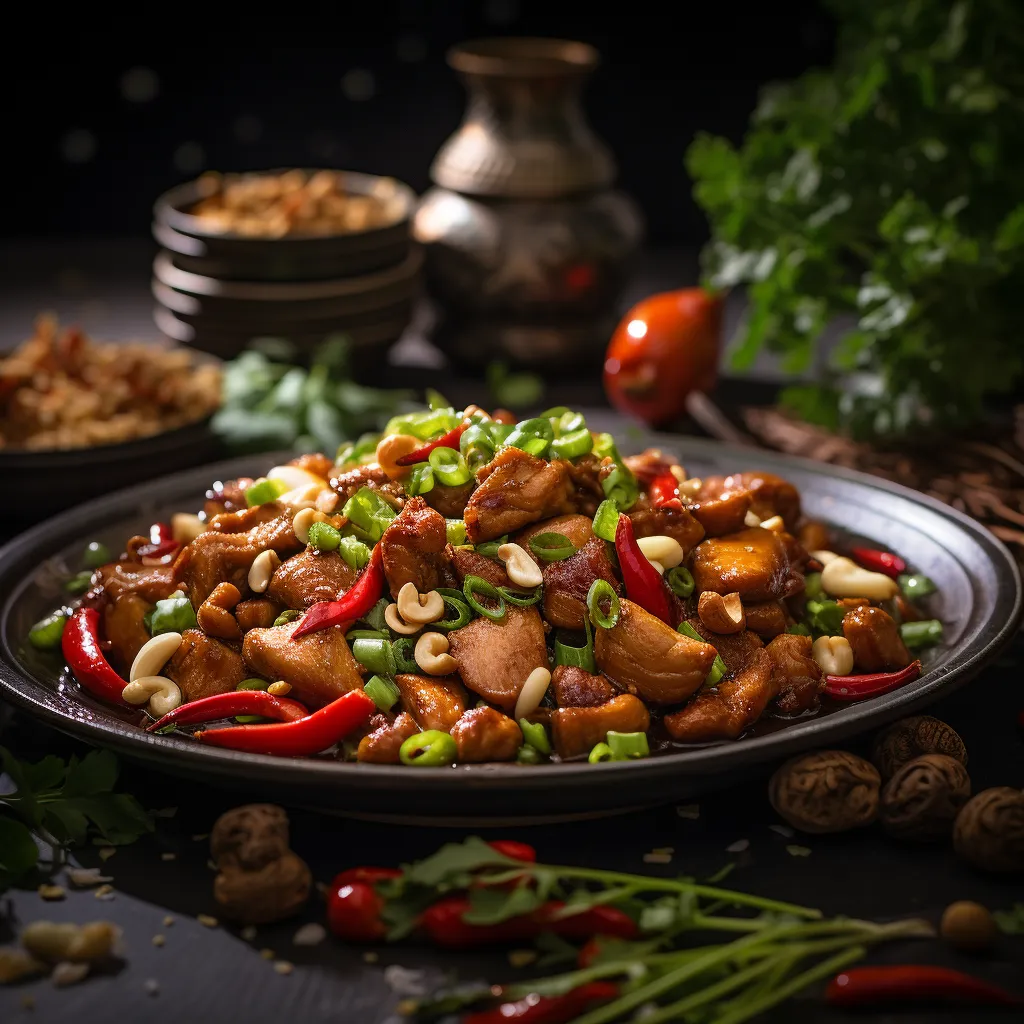
One of the most iconic dishes of Chinese cuisine is Kung Pao Chicken. This spicy and savory dish originated in the Sichuan province and is made with tender chicken, peanuts, and fiery chili peppers. The dish is full of flavor and is perfect for those who love a bit of heat in their food.
Another classic Chinese dish is Mapo Tofu. This dish is made with soft tofu, ground pork, and a spicy, savory sauce made with fermented black beans and chili oil. The combination of textures and flavors makes this dish a favorite among vegetarians and meat-lovers alike.
For those who prefer seafood, there is nothing quite like a good plate of Salt and Pepper Shrimp. This dish is made with fresh shrimp that is lightly battered and fried until crispy. The shrimp is then tossed with a mixture of salt, pepper, and other spices, creating a dish that is both crunchy and flavorful.
No Chinese meal is complete without a side of steamed rice, and there are many different varieties to choose from. Jasmine rice is one of the most popular types of rice in China, known for its fragrant aroma and delicate flavor. Sticky rice, also known as glutinous rice, is another popular choice and is often used in sweet dishes as well as savory ones.
At ChefGPT, we understand the importance of authentic and delicious Chinese cuisine. Our AI-powered recipe creation capabilities can help users cook the same recipes mentioned in this blog post with ease. Whether you are a seasoned chef or a beginner in the kitchen, ChefGPT can help you create the perfect Chinese meal that will delight your taste buds and impress your guests.